Preserving Biodiversity in the Heart of the Selous-Niassa Corridor Explore one of Africa's largest wildlife corridors, home to elephants, buffalos, and diverse ecosystems nurtured through sustainable conservation efforts. Explore Wildlife through Ecotourism and Photography Capture breathtaking moments across our designated photography zones and experience the harmony of nature through sustainable tourism activities.

Discover Waga WMA

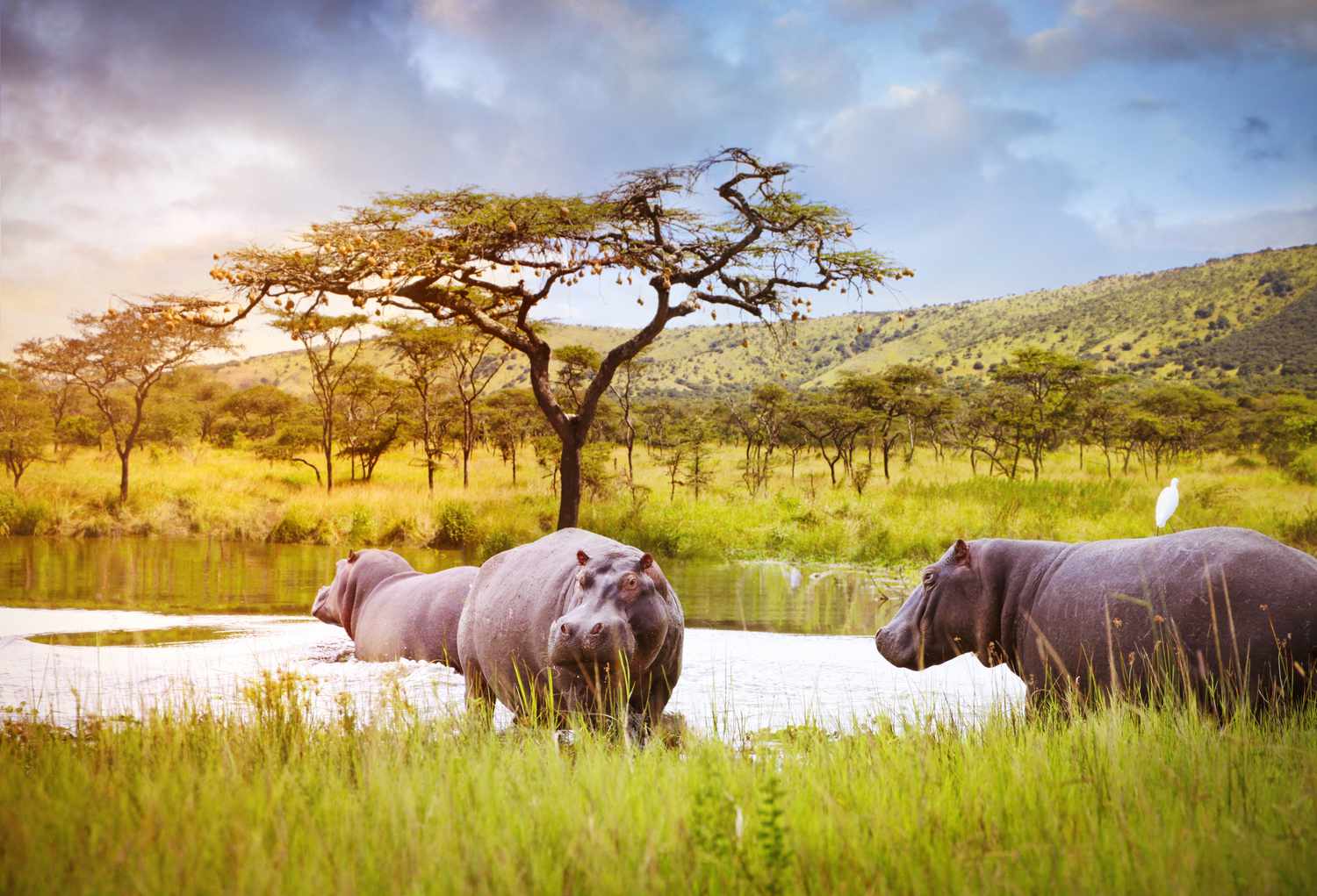
Waga Wildlife Management Area (WMA) is a community-owned conservation area located across three districts—Mbeya and Iringa Regions, namely Mbarali, Mufindi, and Iringa Districts. Spanning an impressive 315.27 square kilometers, Waga WMA is a sanctuary for a diverse range of wildlife, including lions, leopards, giraffes, buffaloes, antelopes, and wild dogs. This lush ecosystem is also home to vibrant vegetation and grasslands that support local biodiversity. Established in 2015 and gaining its first Land User Right in 2016, the WMA was formed to protect wildlife and provide economic benefits to the surrounding communities of Nyakadete, Nyamakuyu, Igomaa, Ihanzutwa, and Mahuninga villages. Serving as a buffer zone for Ruaha National Park and Mbomipa WMA, Waga is not only a beacon of conservation but also a cornerstone for local development and tourism initiatives.

Our vision is to develop a well-managed and self-sustaining WMA that balances natural resource conservation with economic and social benefits for our communities. Guided by this vision, we are committed to protecting wildlife resources, preserving natural landscapes, and improving the livelihoods of the people who share this land.
Location and Ecosystem

Waga WMA is situated at the crossroads of Iringa and Mbeya regions, covering parts of Mbarali, Mufindi, and Iringa Districts. It lies within the Ruaha-Rungwa ecosystem, serving as a crucial buffer zone for Ruaha National Park and Mbomipa WMA. Dominated by miombo woodlands, the area supports a variety of wildlife species, including lions, leopards, buffaloes, and giraffes, alongside an array of indigenous trees and grasses.

Climate

Waga WMA experiences a tropical savannah climate characterized by distinct wet and dry seasons. The rainy season occurs from November to April, providing ample water for vegetation and wildlife, while the dry season, lasting from May to October, sees reduced rainfall and cooler temperatures. This seasonal variation supports the diverse ecosystems and wildlife in the area.

Community Involvement

Waga WMA is a community-driven initiative involving five member villages: Nyakadete, Nyamakuyu, Igomaa, Ihanzutwa, and Mahuninga. These communities play an active role in conservation efforts, contributing land and governance to ensure sustainable management. Revenue generated through tourism hunting and conservation projects directly supports local development, including infrastructure, healthcare, and education. Additionally, Waga WMA engages communities through conservation education, fostering coexistence with wildlife while mitigating human-wildlife conflicts.

WHAT WE DO

Wildlife Protection

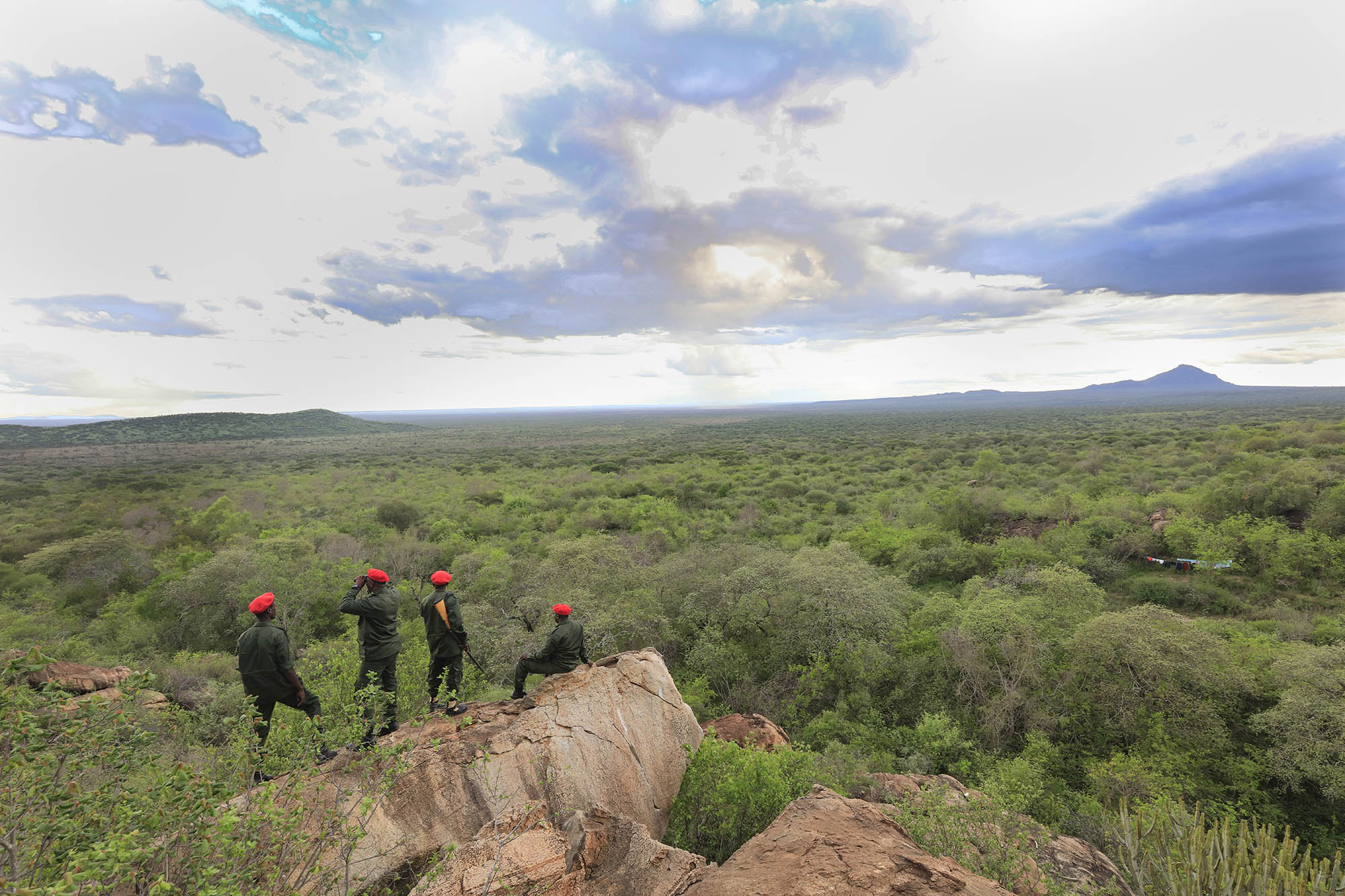
Waga WMA actively protects wildlife and their habitats through Village Game Scouts (VGS) and encourages community participation in conservation practices.


Tourism Hunting

In partnership with Wembere Hunting Safaris Ltd., Waga WMA hosts sustainable tourism hunting activities. Revenue generated contributes to operational costs and community development, including educational projects and infrastructure improvements.


Benefit Sharing

Waga WMA shares benefits with member villages by funding projects like constructing healthcare facilities, community offices, and improving schools. Revenue distribution ensures the local government, communities, and investors all benefit equitably.


PROJECTS

We collaborate with conservation partners and stakeholders to implement key initiatives:

Illegal Wildlife Trade (IWT) Project

As part of the Ruaha-Rungwa ecosystem, Waga WMA benefits from the five-year IWT project (2022–2027), aiming to combat poaching and illegal wildlife trade through integrated approaches supported by UNDP and GEF.

Carbon Credit and Beekeeping Initiatives

Exploring sustainable revenue options like carbon credit trading and beekeeping to ensure long-term financial independence.

OUR PARTNERS

TOP